Menu
© 2026 The Couch Critic
Browse 33 movies from Studio Filmowe Kalejdoskop
A mysterious and little known event that occurred in Warsaw during the summer of 1943 that was referred to as the "Hotel Polonia Affair" is the subject of the short documentary from director Kama Veymont, who puts himself on a quest to find out what happened to around 2500 Jews who obtained false passports and documents of deceased citizens from South American and other neutral countries.
Jan 2009
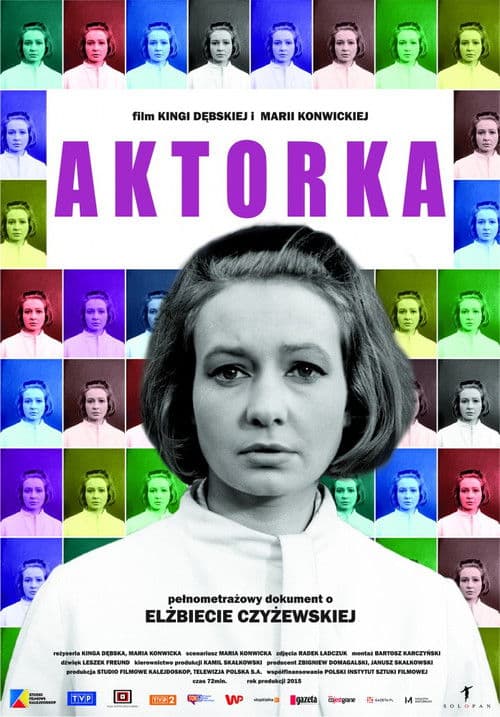
A documentary about Elzbieta Czyzewska, one of Poland's greatest actresses, a beauty icon of the 1960s, who died in 2010. She had a great career in Poland, but the filmmakers focus more on her attempts to make a name for herself as an actress in America, after her sudden emigration to the United States with her husband, American journalist David Halberstam. Friends and acquaintances of Elzbieta Czyzewska speak without embellishment about her failed marriage, her battle with alcoholism won after years, and her attempts to return to Poland. This is a story about the fate of the actress at different stages of her career: at the top, at the bottom and in between.
Dec 2015
Jun 2018
Did the 1989 revolution in Central Europe devour its children? This question is answered by representatives of the anti-communist opposition from Warsaw, Prague, Budapest and Berlin. The documentary shows images of the upheaval, with songs by Jacek Kaczmarski, Jaroslaw Hutka and Wolf Biermann as a backdrop.
Jan 2002
Jan 1993
This is a documentary about a well-known figure in Polish politics - Wladyslaw Bartoszewski. The hero of the film is a man with a very rich resume. He was born and raised in Warsaw. He was a prisoner of Auschwitz, a soldier of the Home Army, an activist of the Polish Underground State, a participant in the Warsaw Uprising, twice served as foreign minister, and finally a publicist, writer and scientist. In a forty-two-minute documentary it would be impossible to present the full biography of this man - that's why this film selects only the more important episodes from Bartoszewski's life. His life is narrated by the hero himself. Stories about him are also spun in front of the camera: Jerzy Sienkiewicz, Jerzy Turowicz, Krzysztof Kozłowski, Israel Gutman, Jan Nowak Jeziorański, Stanisław Lem and Stefan Kisielewski.
Jan 1998
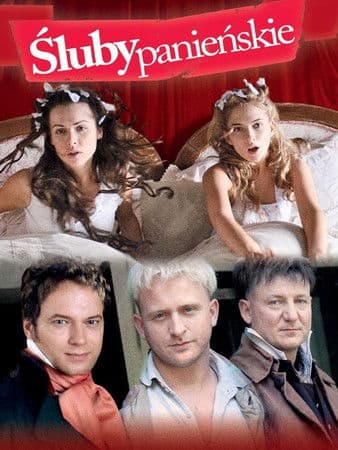
Klara and Aniela are two young girls who decide not to get married. This decision makes bachelors even more eager to conquer them. Adaptation of the classic comedy by Aleksander Fredro.
Oct 2010
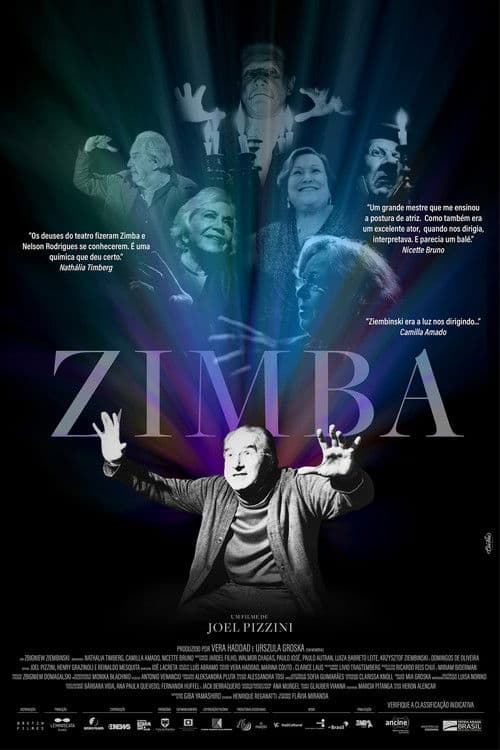
The trajectory and artistic imagery of actor and director Zbigniew Ziembinski (1908-1978), precursor of modern theater in Latin America and master of generations of Brazilian actors. The polyphonic montage builds on vast unpublished material, covering half a century of performances, teletheaters and interviews by Zimba, as he was known – before and after fleeing Poland, on the eve of the invasion of Warsaw – and recreates fragments of Wedding Dress , a play by Nelson Rodrigues which the Polish-Brazilian director won a revolutionary montage in 1943.
Apr 2021
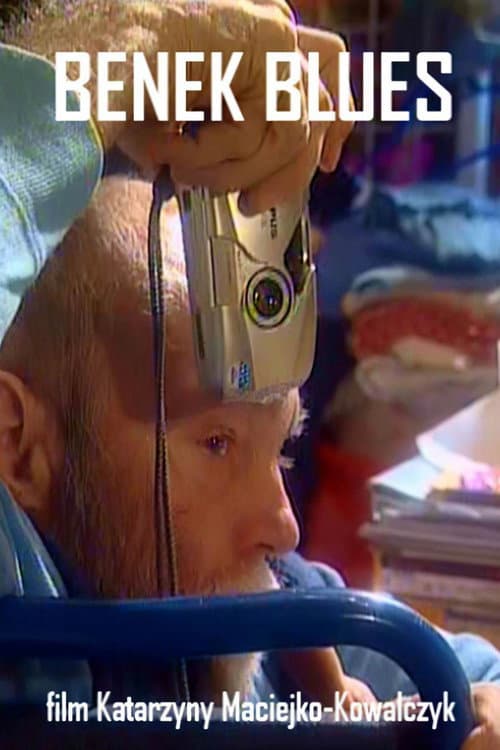
The action is placed in a cramped flat in Warsaw’s district of Ochota. A father and a son, both bedridden, live in a fascinating symbiosis. The son, a well‑known photographer Bernard ben Dobrowolski, is lying in bed because a chronic condition has deformed his body and immobilized him. The father, Dominik, has recently suffered from a stroke. Now they are taking care of each other and crowds of visitors move through their room.
May 2000
Darek and Michał bought copies of old Polish films on 16 mm tape and a projector from the school, and during the summer holidays they set off across Poland with their "mobile cinema." They visit small towns from the Baltic Sea to Silesia, offering screenings for adults and children. Along the way, they meet many interesting people, help with the harvest, and bring "the light of cinema to the thatched roofs."
Jun 2006
Piotr is a psychiatrist. He is on night duty when a boy is brought to his ward. It is Kamil, the son he hasn't seen in years. The boy disappears from the hospital as quickly as he appeared. However, Piotr decides to get in touch with him. He invites him to his place and introduces him to his beautiful young fiancée. After Kamil's visit, the woman realizes that Piotr is a mystery to her and that she really knows nothing about him. And Piotr does indeed hide a dark secret...
Apr 2010
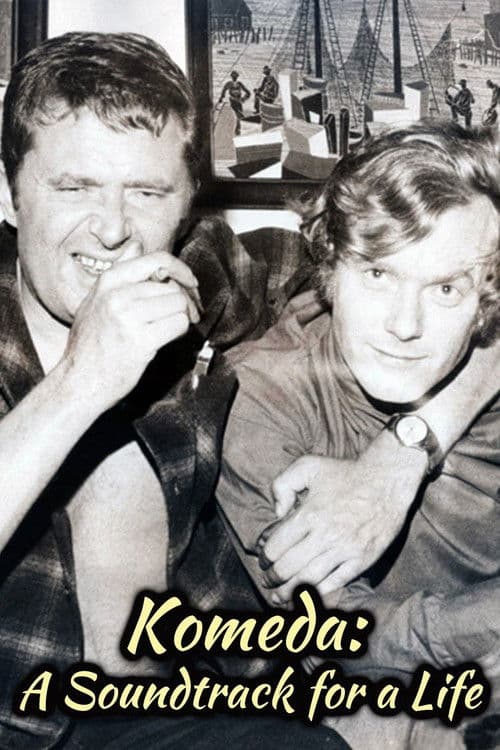
Krzysztof Komeda was a jazz pianist and film composer. With compositions like the lullaby for Rosemary's Baby (1968) by Roman Polanski, Komeda succeeded in writing his own chapter in the history of soundtracks. This documentary follows the life story of the composer by the means of his melodic sounds. It is a reflection on his soundtracks, which changed the common film scores forever. It is a contemporary document about the attitude to life in a time of social, political and cultural change after war, about work and exodus of Polish artists in the 50s and 60s. A story about how film music is created and how it affects people. Directors who worked with Komeda and who are also friends talk about him: Roman Polanski, Jerzy Skolimowski, Henning Carlsen and Andrzej Wajda. His wife, Zofia Komeda, and his sister, Irena Orlowska, recollect him.
May 2010
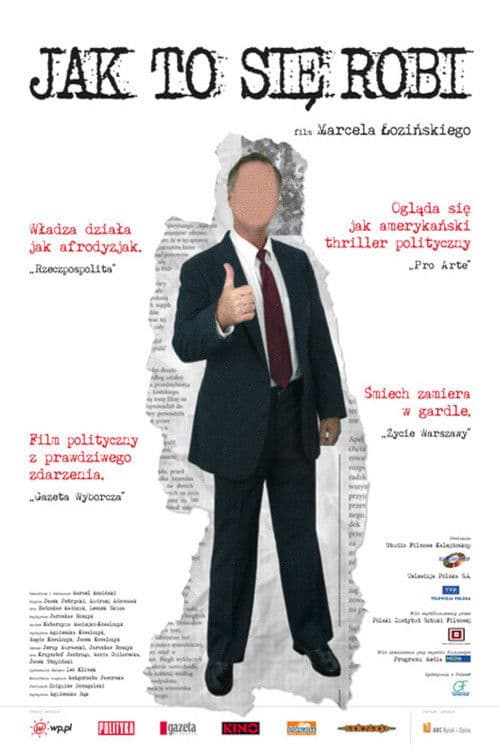
Piotr Tymochowicz, media advisor to some of Poland's top politicians, claims that anybody can be molded into a charismatic leader. To prove it he's looking for a greenhorn that can be turned into a candidate. A call is put out for would-be participants, and hundreds apply. A small group is selected and under go training. Polish master Marcel Lozinksi followed Tymochowicz and this project for three years, and this beautifully shot and edited work paints a compelling portrait of cynical (and quite familiar) demagogy and populism in action.
Nov 2006
DJ Edee Dee, or Edward Gil-Deskur, is a cult figure in the Krakow club world. Edward was born with congenital glaucoma and soon lost his sight completely. Artificial intelligence helps him adapt to the new reality, with which he begins to establish an increasingly deeper relationship.
May 2024
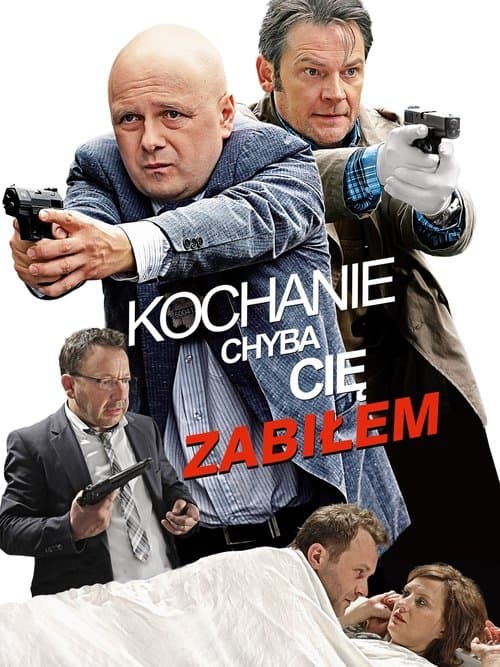
A simple accountant, Jan, due to unfortunate circumstances, becomes a double murderer, sending to the other world an unfaithful wife and her lover. The video recording of the killing lands, by accident in the hands of Kacper, an employee at a video rental. Kacper and his girlfriend decide to blackmail the killer.
Jun 2014
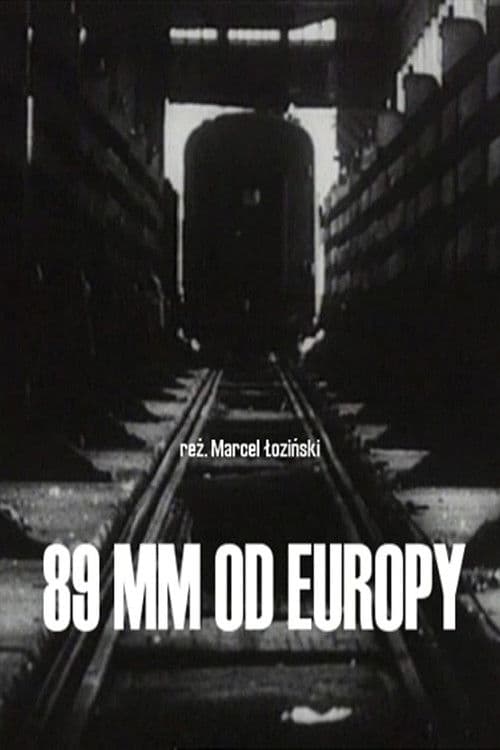
This movie shows the simplest difference between Europe and former Soviet Union. It is the eponymous 89 mm - Russian train tracks are 89 mm wider than tracks in European countries. And because of this fact, it is not easy to go through the Soviet border by train in Brest as the passengers in the film do.
May 1993
Jan 2012
Francis Ratay witnesses the theft of church painting "Angel with violin". The entire incident recorded by an amateur camera. The thief turns out to Benedict Weber, gallery owner and art connoisseur. Francis comes to his gallery. Blackmails him, that will provide police record, unless the image in three days back in place.
Sep 2007
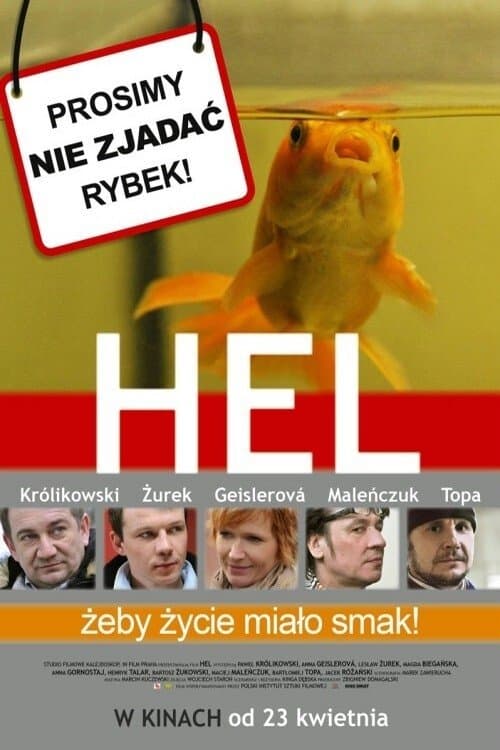
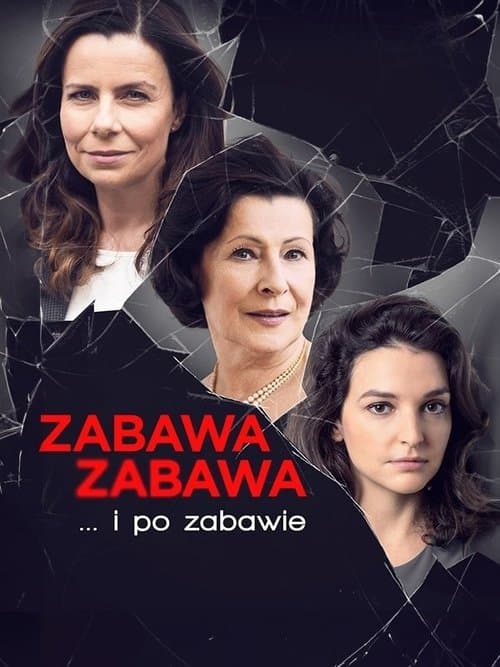
Stories of three women struggling with alcohol. Dorota is a great prosecutor. Using her immunity, she tries to avoid responsibility for her offenses committed under the influence of alcohol. Her husband, a famous politician, helps her keep the problem secret and rescues her from many troubles but he slowly loses patience. A respected children surgeon Teresa has lost her family due to drinking problem, all she is left with is her job at the hospital where she is the main doctor. The situation goes out of control when the woman comes drunk to the hospital. A student, Magda, likes to party hard and because she is a good student and has a great job, no-one opposes that. At one moment, the girl loses control. A tragedy happens.
Jan 2019
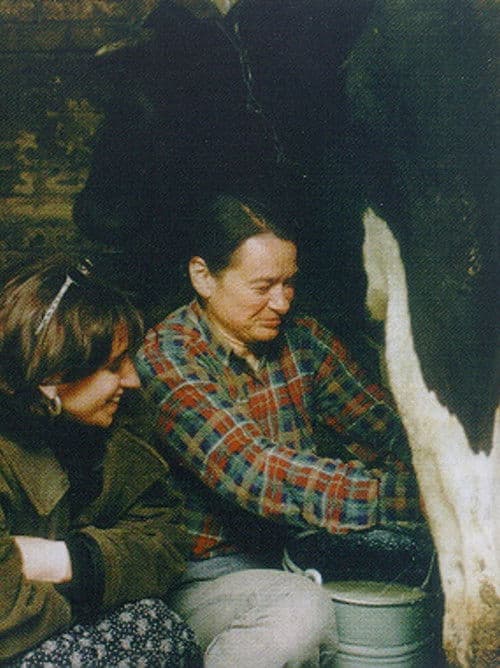
Polish filmmaker Marcel Łoziński revisits the farmer/intellectual Urszula Flis, subjects of his 1978 film 'A visit'. Łoziński observes the changes that have occurred over the intervening 23 years and again persuades this sensitive, secluded woman to talk through her thoughts, fears and feelings. Through this, the morality of the documentary portrait itself is called into question.