Menu
© 2026 The Couch Critic
Browse 129 movies from Televizija Zagreb
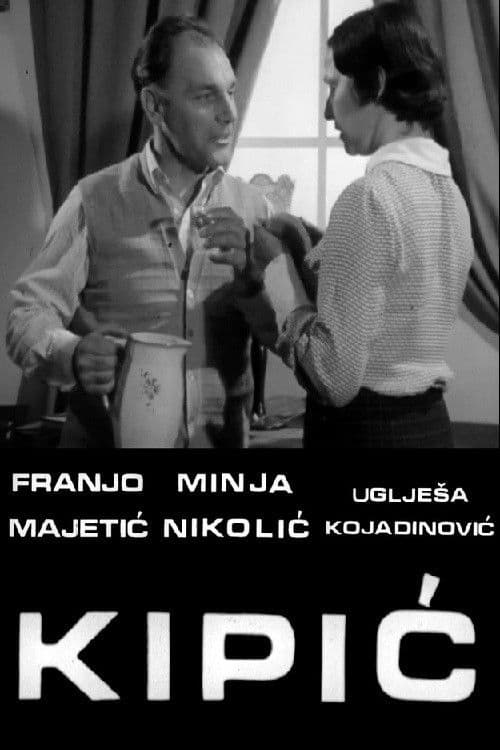
In the center of the story is an old bachelor, honest man who is unable to prove his honesty because his only proof, a statuette, has been broken. The film is set in the earliest days of socialism after the WW2.
Oct 1972
Pero is about to retire, but that annoys him a bit, because he thinks that he is still agile and eager for excitement that is nowhere near in sight. One evening on their way home, Pero and Eva find a young woman in a broken elevator wearing an expensive fur coat and with several packages.
Jun 1987
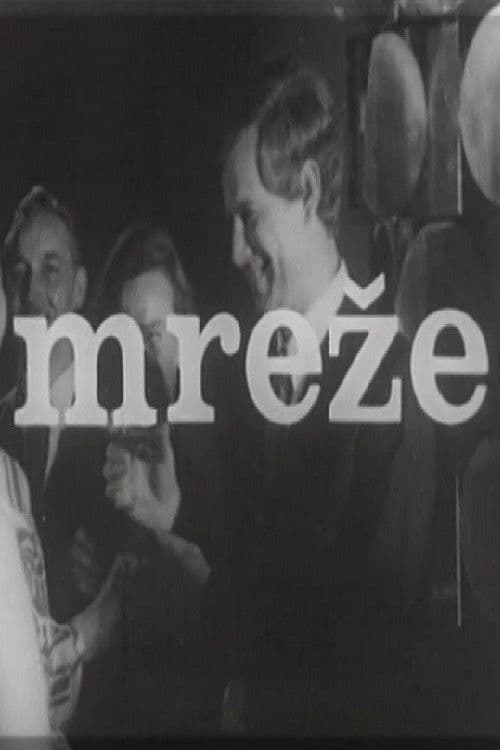
TV adaptation of “The Net”, a collection of short stories by Erih Kos.
Jan 1972
The play is set in a painter's studio, where we find Nobel Prize author Wolfgang Schwitter, who has died and come back to life, as he will a second time in the course of the play. Declared clinically dead, Wolfgang Schwitter has fled the hospital, with its doctors and gadgets, to Nyffenschwander's studio, where years before he had begun his literary career and where he now wants to die, yet cannot.
Feb 1969
A new unpleasant tenant is moving into a Jewish apartment. One of the old tenants decides to scare him away with the help of the ghost of the Jewish family's patriarch.
Dec 1972
Eduard Galić’s movie based on the book by Vjenceslav Novak.
Dec 1968
It tells about mutual conflicts and the decline of the once rich and prominent Zagreb family Dombrovski. In this large family, women have always been in charge of decisions. The plot takes place immediately after the death of the founder and owner of the company, Vladimir Dombrovski.
Feb 1976
When Dr. Lovro Furato accidentally fails to treat the injured eye of the peasant Barisa Surac, the whole silent conflict between the two worlds, rich urban and backward rural, will emerge to the surface.
Jul 1978
An unknown traveler disembarks from a steamship on a rainy day in a small and deserted coastal town, where he will spend the night and find a girl who will remain in his heart forever.
Jun 1969
A married couple of intellectuals, who have reached their third age, are not ready to get involved and accept the cruel rules that life imposes on them...
Dec 1988
In Collecting Courage, the second of six parts of his drama cycle Dialogues, screenwriter Ivo Stivicic dealt with the relationship of a young, unambitious and timid factory worker to the people around him, from girlfriends and work colleagues to hooligans from the cafe environment.
Oct 1966
In 1878, during the Austro-Hungarian occupation of Bosnia and Herzegovina, the commander of the gendarmerie station in Sokolac was given the task of suppressing the Hajduk movement in that area. The commander asks the arrested and wounded hajduk leader to hand over his comrades.
Jan 1969
A 1988 Serbo-Croatian language drama film written and directed by Eduard Galić, starring Miljenko Brlecic, Željko Duvnjak and Špiro Guberina.
Feb 1989
The action takes place in a village where police investigates a murder committed because of an accordion.
Documentary about Yugoslavian music parody group, and their leader Boris Bizetic.
Jan 1985
The main character is a young man who lives with his poor mother in Zagreb. He holds no job and is barely making ends meet in the overwhelming post-war poverty. They have a tenant named John. He is constantly full of money, which, allegedly, comes to him from America. The plot develops when John suggests to the young man that they rob the safe of a person known as Compadre, the same man who sent very youngster to be shot during the war, but he survived by sheer chance...
Dec 1978
The titular character takes a trip by train while talking about himself and the dead language he’s teaching while interacting with other passengers.
Jul 1977
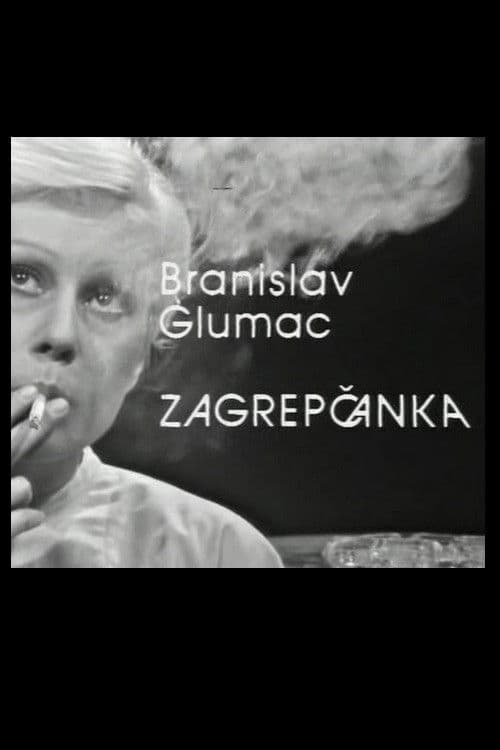
Marijana, a young woman from Zagreb, is a medical student from Tuškanac who fell in love with a worker’s son from Dubrava. But in socialism, class differences make it difficult for those in love… Based on the eponymous bestseller by Branislav Glumac.
Jun 1979
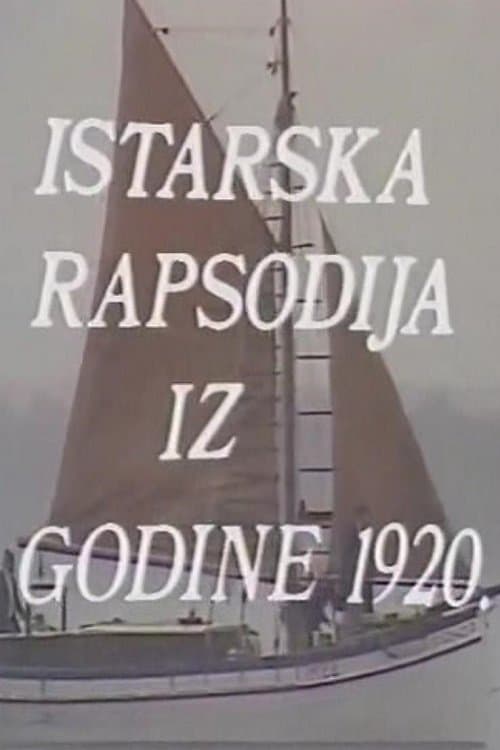
It is about difficult times in Croatian family in Istria under Italian rule and the beginning of Italian fascism.
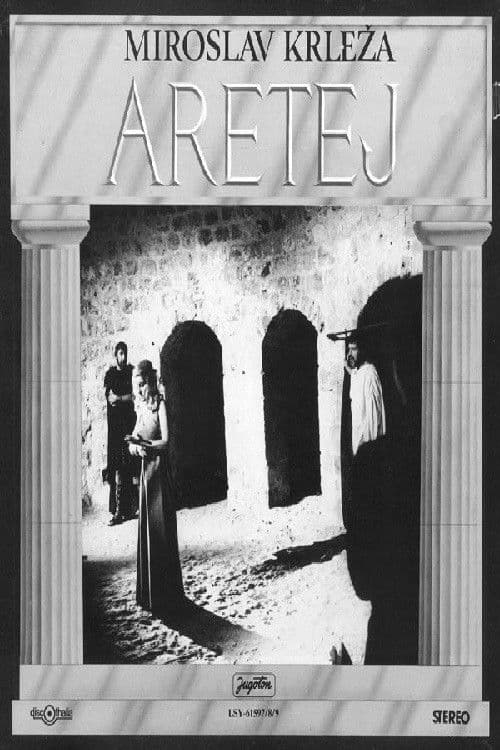
The last play that Miroslav Krleza ever wrote. Especially interesting is the directorial concept, which sets the play in the space of the old Dubrovnik fortress, and used the audience as semi-active participants in the event. Two acting ensembles played for different audience with a short time lag.
Jan 1978