Menu
© 2026 The Couch Critic
Browse 81 movies from Société Française des Films Éclair
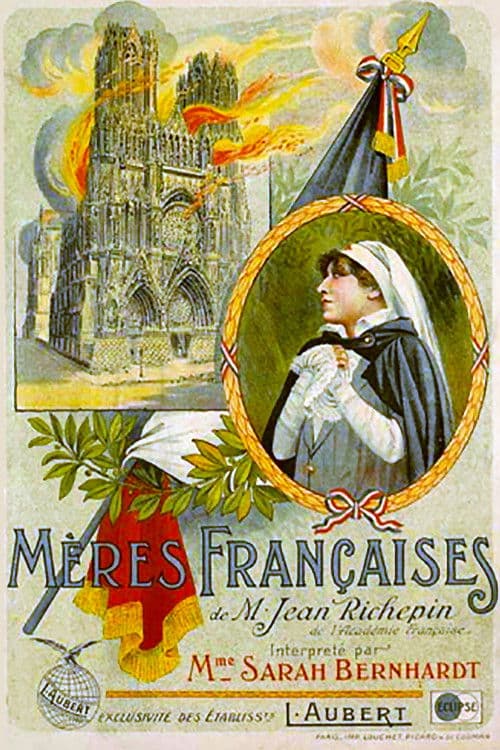
A mother loses first her son and then her husband in the trenches of France during the First World War. She devotes herself to the French cause and to helping those wounded in the war.
Jan 1916
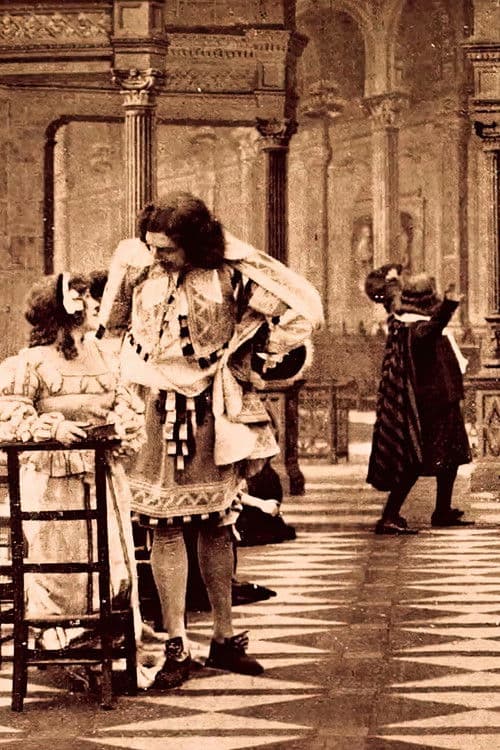
Macbeth is a French 1915 film adaptation of the William Shakespeare play Macbeth. It was released on December 31, 1915, in France. It is a silent black-and-white film with French intertitles.
Dec 1915
Jun 1913
Eugenie Grandet has discovered where her father, a miserable old miser, keeps his treasure. Eugenie's cousin, Charles, is the bearer of a letter from his father to his uncle, Eugenie's father. The letter informs the miser that Charles' father, his only brother, is reduced to a state of utter ruin, and unless he can obtain immediate help, he contemplates suicide.
May 1910
Adaptation of the Émile Gaboriau novel.
May 1914
An ape, turned near human by Dr. Coriolis and given the name 'Balaoo', is smitten by the beauty of Coriolis' niece, Madeleine. Being inquisitive, though, he runs off, getting into mischief, and falls in with a poacher who saves his life. Acting now as his slave Balaoo kills a man for the poacher, but balks on his orders to kidnap Madeleine, deciding instead to set a trap for the poacher.
Jan 1913
Feb 1911
Over-stimulated by boxing lessons, Gavroche brings a lion home to spar with, triggering an all-out assault on public order.
The story of "Jack" is well-known. It is a beautiful story of a natural child. His mother, Ida de Borancy, worships the dear little nameless and fatherless being whom she decides, as he is getting on in years, to place in a boarding school. The child's professor of literature is a certain Amaury D'Argenton, a failure of the faculty, and an uninspired poet. During one of her visits to the institution, Mme. de Borancy is attracted by D'Argenton, and falls in love with him. The "Ne'er-do-Well" soon gives up his starving position and makes his abode with her, exercising over her absolute control. He soon learns to hate little Jack and forces her to leave him permanently at school. The poor child, unaccustomed to the separation, runs away, only to find, when he arrives at his former home, that his mother has moved and is now living thirty miles away. He undertakes the journey on foot, and reaches his mother's house completely exhausted. Here he meets Dr. Rivals and his daughter, Cecil.
Sep 1913
The next dastardly trick of Zigomar was to secure the safe which carried $50,000 belonging to the owner of the Grand African Circus, which he had won as a prize. He and La Rosario, disguised as servants, joined the circus and by the aid of a powerful elephant managed to get the safe to a manhole into which is was lowered to Zigomar and La Rosario.
Hortense Fauvel, the wife of a village postmaster, takes Aimée, a young shepherdess, under her wing. Aimée soon becomes engaged to François, the Fauvel’s loyal servant. At a fête hosted by the Count of Granval, Aimée gives her fiancé a knife, telling him that he should kill her if ever she ceases to be faithful to him. That same day, the Count is planning to have an amorous liaison with Hortense, but Aimée intervenes. To save her mistress from a scandal, Aimée tells the postmaster that it is she, not Hortense, who has been seeing the Count. Disgraced, Aimée is dismissed by the postmaster. François contemplates his revenge and recalls what Aimée said to him.
Jul 1913
Drama in which the love between Claude and Germaine is tested when Claude is falsely accused and Germaine's father doesn't approve of their relationship.
May 1912
After a time of suspended activities, Zigomar attempted to rob the biggest bank in Paris; but in this he was frustrated by the detective. Swearing vengeance he tried to wreck the train upon which the detective was traveling, but one of the detective's spies got wind of it and warned him.
Paulin Broquet, the great Parisian detective, has brought the notorious bandit, Zigomar, to justice. Determined not to let the law punish him, he had taken poison in the Hall of Justice. Then he was brought to a hospital where he lay motionless and was visited by hundreds of persons. Among the visitors was a slender woman, dressed in black, who secreted herself in the hospital, and, when all the others had gone, went to the bedside of Zigomar and administered an antidote for poisoning.
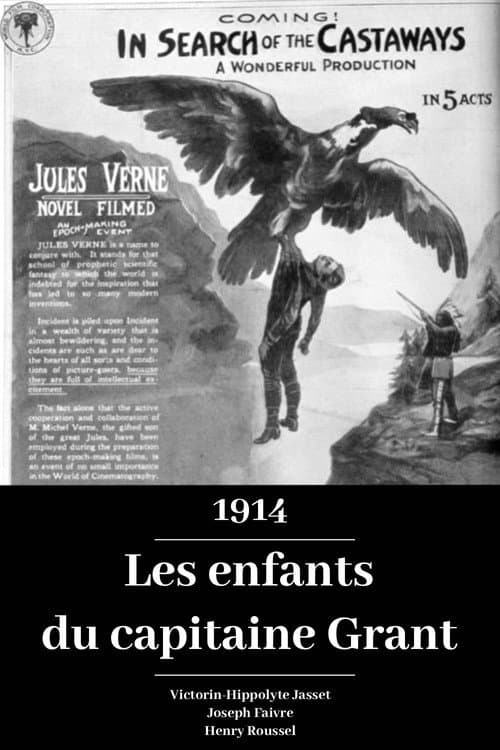
The story of the children of Captain Grant.
Apr 1914
A man gamles his wife away.
Aug 1909
An old surgeon shows kindness to a tramp.
Jul 1917
Early adaptation of a Sherlock Holmes story
Nov 1912
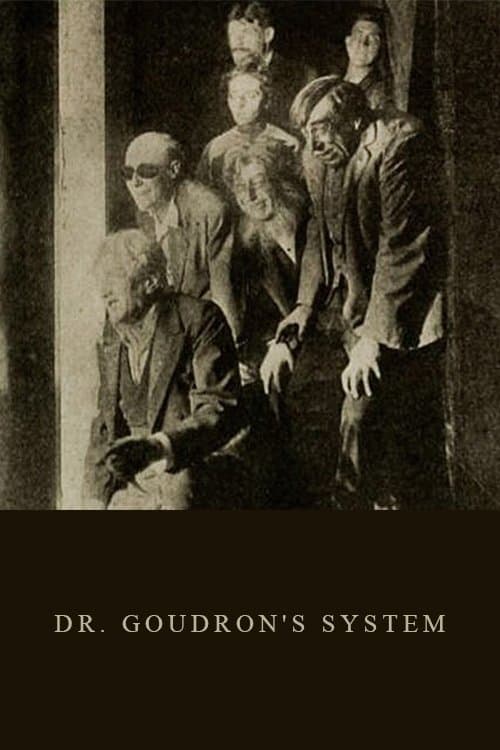
A visitor to an insane asylum realises that the inmates have taken control.
Dec 1913