Menu
© 2026 The Couch Critic
Browse 23 movies from Caochangdi Workstation
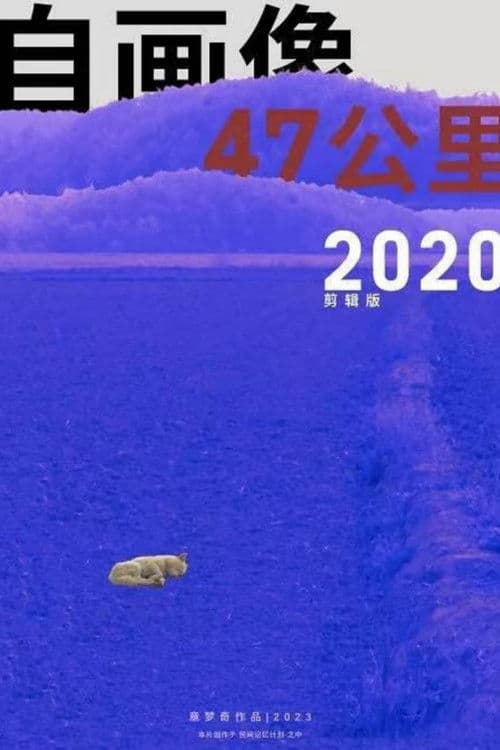
As coronavirus begins to sweep the globe, Zhang returns to her father’s village with her camera, seeking to understand where the extraordinary phenomenon might sit in the grand palimpsest of China’s history. As with all of Zhang’s work, this is a committed, reflective, formally assured non-fiction film, grounded in collaboration and blessed with an uncanny sense of unhurried time.
Oct 2023
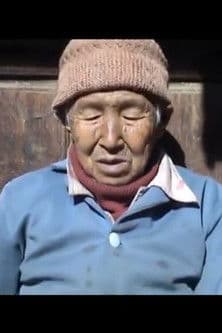
The village in the mountains of China that the director has long made the subject of her camera. The traces of memories and landscapes that fade away before one’s eyes. An 85-year-old man is recounting the story of half of his life, while a young girl draws portraits of the village elderly.
Sep 2019
Luo Bing went back to Luo village, where he was born and grew up, and interviewed older people to know what happened during famine from 1959-1961. His neighbor, Ren Dingqi wrote a memoir, but he didn't really show it to Luo Bing. Luo Bing knew the history of this village much more after getting close to Ren Dingqi every time
Jan 2011
A documentary following the filmmaker, Wang Hai'an, who went back to his hometown of Zhanggao Cun, a rural village in Shandong Province. He interviewed the elders in his village who lived through the Great Famine during 1959- 1961. His main purpose was to gather the names of those who suffered and died during the famine and to ask the village to donate money for erecting a monument in their name, but the idea was rejected by the villagers
Jan 2012
My father was a landowner’s son and an ex-Kuomintang Air Force pilot, who remained in mainland China after 1949. For survival, he tried to transform himself from a man of the ‘old society’ to a man of the ‘new society’. As his son, I started investigating his ‘history before 1949’, which he had kept away from me. This film documents the process of my investigation over twenty years.
May 2016
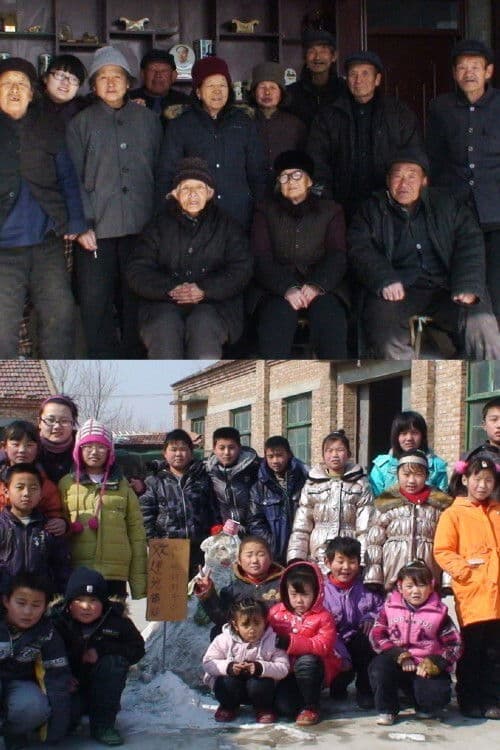
The newest instalment in a series set in a small village in a mountainous region in China. In the winter marking ten years since the director began filming, she tries to get a new building constructed in the village. The girls, who had thus far been the subjects of her films, take up the camera themselves, and begin recording scenes of the village.
Oct 2021
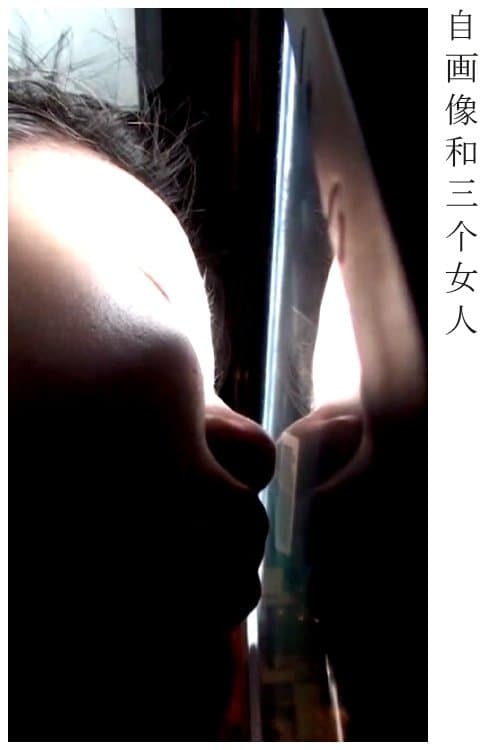
The 23-year-old director, fresh out of university, lives at home with her mother and grandmother. She rebels against them but also tries to understand the generation gap between them. While she gets angry and questions their expectations of her as a woman (i.e., to marry and have children), she also gropes for the meaning of real love. Along with her mother and grandmother, the three women wring out their loves and hates with explosive strength. The director in her performance piece uses her own body to project the images of her mother, turning her lost loves into springboards, practically jumping out of the screen so she can shout with all her might.
Oct 2010
The first part of Wu Wenguang's Autobiography film series.
Jan 2017
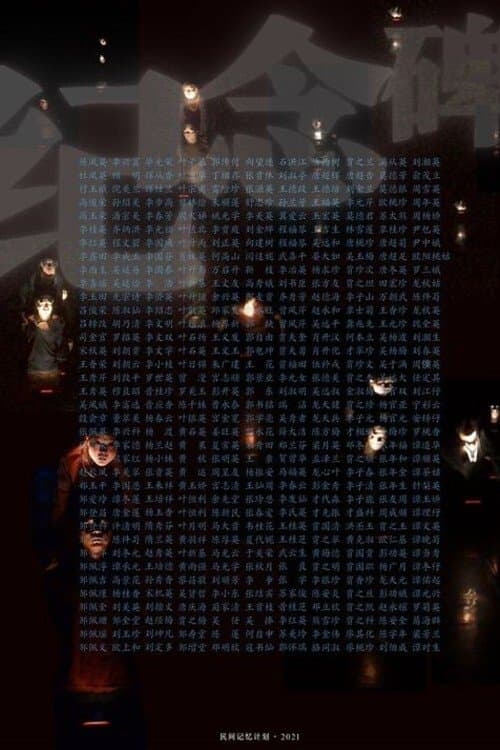
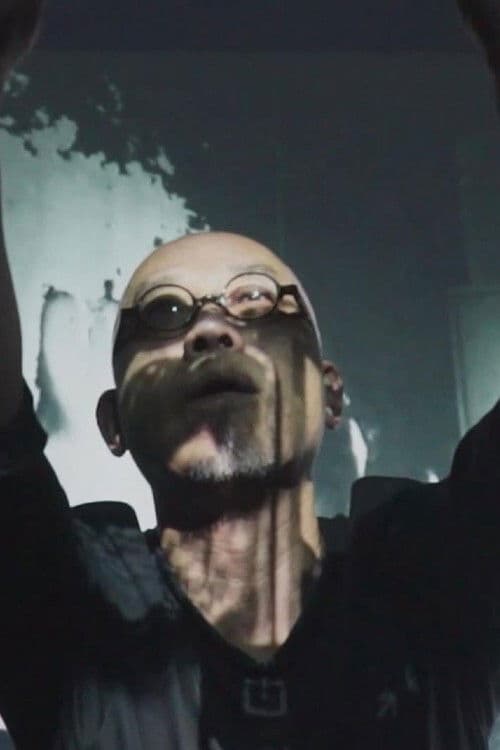
Edited together from materials taken from Caochangdi performances and activities between 2012-2013 and Wu Wenguang's own body camera record, this film can be regarded as a kind of "story follow-up" version of "Because of Hunger". In short, it is a kind of "remembrance".
Aug 2021
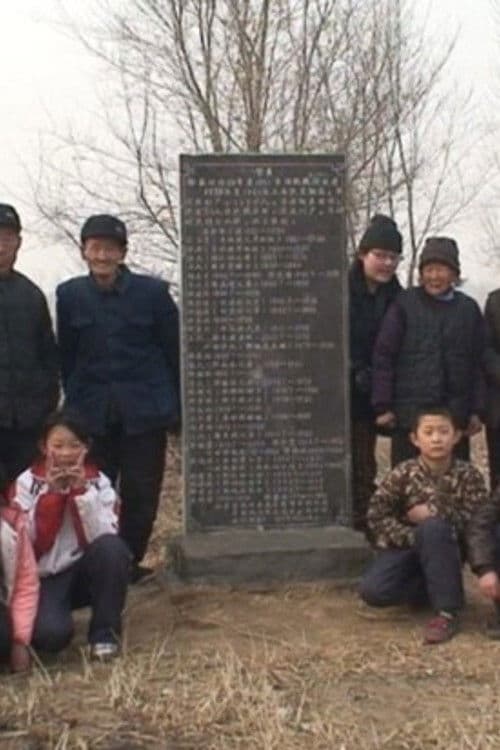
Zou Xueping continues to interview old people in her village, this time with the help of local children. They start collecting names and money to erect a memorial for the victims of the famine.
The third part in Wu Wenguang's Autobiography film series.
Jun 2019
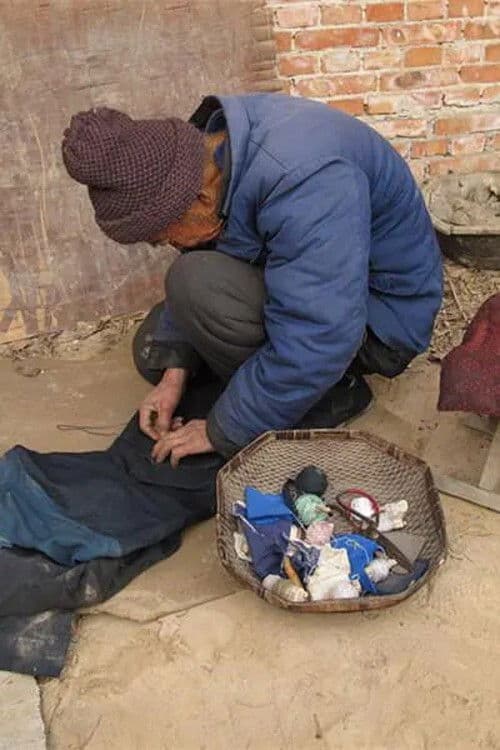
A documentary film following the daily life of director's grandfather in the winter of 2011. At 80 years old with five sons, the grandfather insists to live by himself in the rural area of Hebei
Jan 2010
Now in her seventies, Shao Yuzhen has been making first-person documentaries about her home village of Shaziying (Beijing) since her selection for the China Villagers Documentary Project in 2005. The farmer, now locally well-known as the villager filmmaker, chronicles "all the bits and pieces of our everyday lives, since they, too, are part of my family's and my fellow villagers' life experiences." (Shao). Imbued with a remarkable sense of openness, her work is a form of activist journalism which seeks to challenge prejudice against the peasant class in contemporary China. From the opening shots, we come to recognise the intimacy which Shao's camera immediately forms with each of her fellow villagers, making good on her declaration that "this film is for my village!".
Feb 2009
Li Xinmin's first return to her village in Yunnan province. Alongside interviews with some village elders, the film reveals the filmmaker's family and their views on her film project.
It is the director's second documentary of "my village" series since she got involved with the "Folk Memory Project". She returned to her hometown to shoot footage, recording the realities she encountered in her search for memories. Her biggest question is: after experiencing the disaster of the tragic famine fifty years ago, the villagers now are not short of food, and are living a better life than before, but is the spirit of this village still starving?
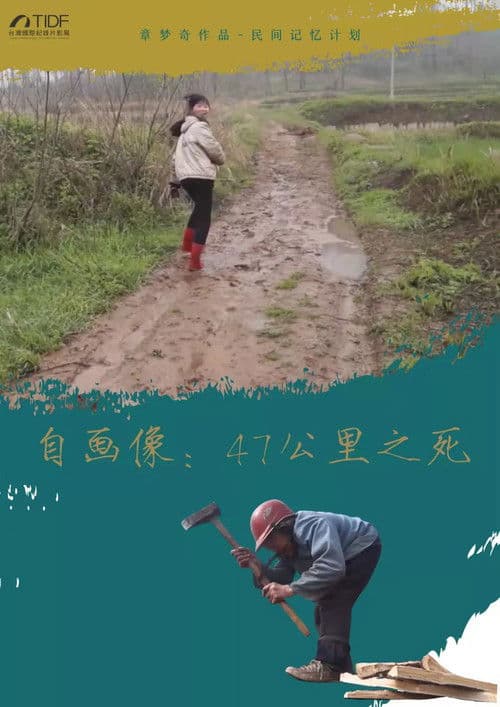
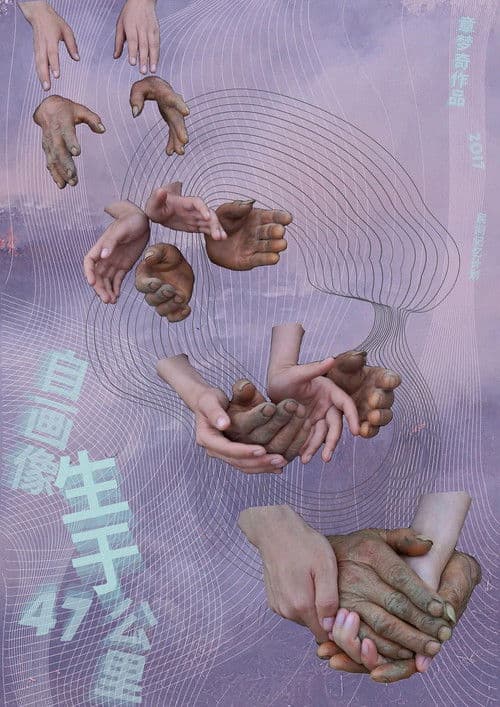
The fifth title in Zhang Mengqi's Self-Portrait film series.
Aug 2014
During Luo Bing's second return to his village, Ren Dingqi finally accepts to showhim his memoirs.
A documentary following the filmmaker, Li Xinmin, who went back to her hometown and interviewed the elders in her village who lived through the Great Famine during 1959- 1961. The residents of this village Huamulin are still isolated. At the same time, the film reflects the loneliness in the real life of village's old people
A documentary following the filmmaker, Shu Qiao, who went back to his hometown of Shuangjing, a rural village in Hunan Province. He interviewed the elders in his village who lived through the Great Famine during 1959-1961. His main purpose was to gather the names of those who suffered and died during the famine and to ask the village to donate money for erecting a monument in their name
Between 1959 and 1961, more than 35 million people starved to death because of Mao’s Great Leap Forward policies. To avoid censorship in China, this painful period is now euphemistically referred to as the “Three Years of Natural Disasters.” This courageous oral history, directed by Zhang Mengqi, tells the story from the point of view of her grandfather’s village, to which she returns every winter to interview survivors. Central is moving voice-overs from a grandmother who details harrowing pregnancies and lonely births during the Great Famine and her granddaughter, a migrant worker. In this agricultural village, the landscape is stark yet beautiful with plenty of room for contemplation. When a hand appears in front of the camera, Zhang transitions into a delightfully playful territory, incorporating a uniquely participatory experience that extends beyond the screen.
Oct 2016